
Why the Mental Game Matters
The best pickleball players do not just hit well. They think well. They read patterns, manage momentum, and stay composed when the score is tight. Teaching the mental side of the game is one of the most valuable things a coach can do, and one of the most overlooked.
Shot Selection Over Shot Execution
Most recreational players lose points not because they lack skill, but because they choose the wrong shot at the wrong time. A coach who can teach shot selection gives their students an edge that no amount of drilling alone can provide.
Start by asking players to verbalise their choices during drills. Why did you drive that ball? Why did you lob? When players start thinking about their decisions, they start making better ones.
Patience as a Competitive Advantage
Pickleball rewards patience. The team that forces errors usually beats the team that tries to hit winners. Yet most players default to aggression when they feel pressure.
Teach patience through constrained play. Run games where the winning team is the one that makes the fewest unforced errors, not the most winners. This shifts the mindset from attacking to constructing points.
Managing Momentum
Every pickleball match has momentum swings. A good coach teaches players to recognise when momentum is shifting and how to respond. Sometimes that means slowing the pace with a few soft dinks. Sometimes it means calling a timeout or changing the serving strategy.
The key is awareness. Players who notice momentum shifts can act on them. Players who do not will ride the wave without understanding why the game turned.
Composure Under Pressure
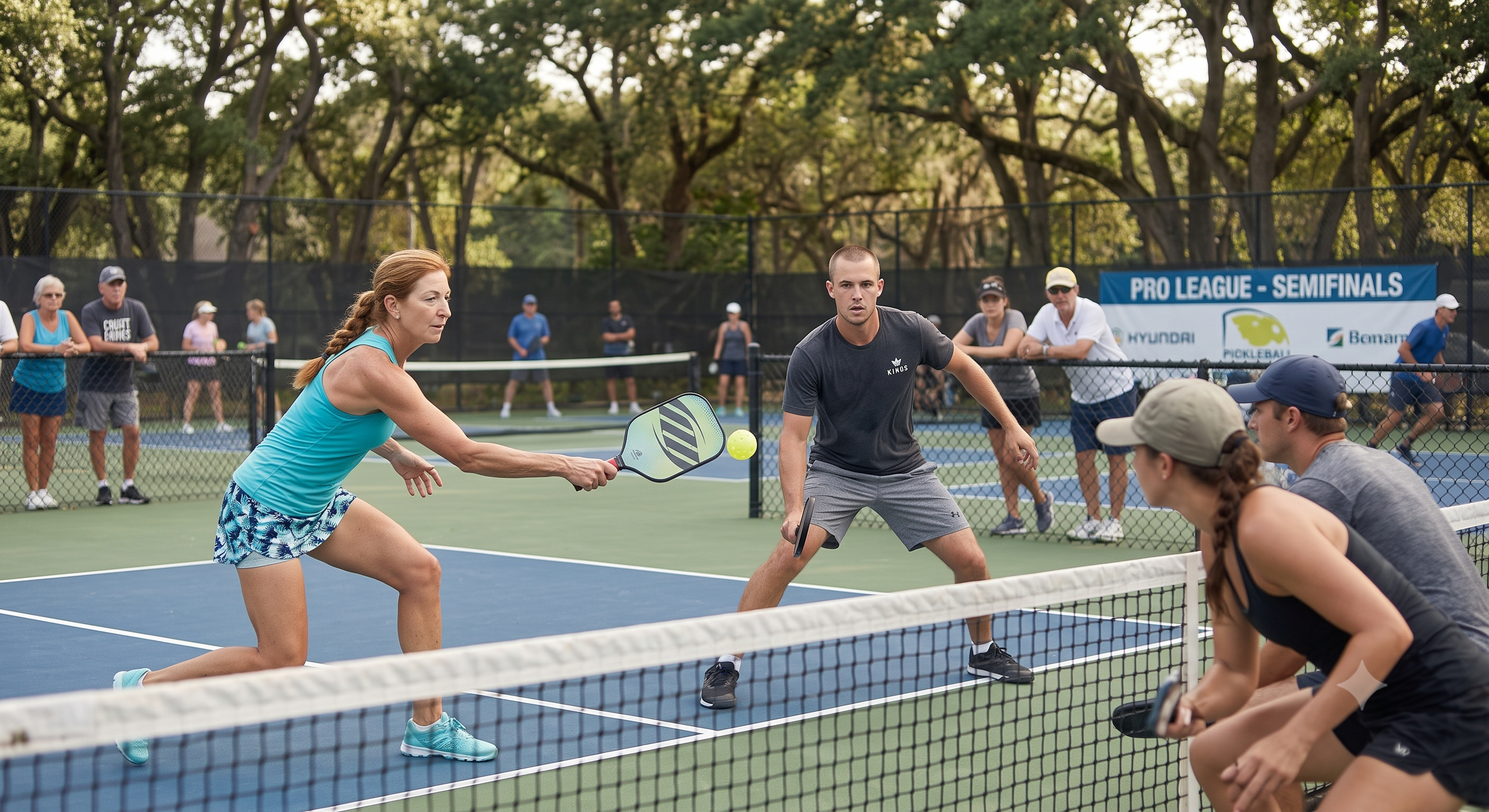
Tournament play exposes the mental game like nothing else. Players who thrive in practice can crumble in competition if they have not developed mental resilience.
Simulate pressure in your sessions. Play tiebreaker scenarios. Add consequences to drill outcomes. Create situations where players must perform under stress so that when it happens in a match, it feels familiar rather than overwhelming.
Building Complete Players
A coach who only teaches technique produces players who hit well but think poorly. A coach who teaches both produces players who compete well, adapt to different opponents, and enjoy the game at a deeper level. That is the standard worth aiming for.